Car Dealership Slang & Lingo: The Insider Glossary
Walk into any car dealership, and you’ll hear conversations that sound like people are talking in code. And quite honestly, they are! You may hear dealership slang like:
“Who’s got the up?”
“That was just a mini.”
“T.O. that customer.”
“We took a bath on that sled.”
These phrases are basically nonsensical to those not in the industry, but to dealership employees, they’re a part of everyday life.
Whether you’re starting a career in automotive retail or simply curious about how dealerships operate behind the scenes, this glossary explains the most common dealership slang you’ll hear on the showroom floor.
Let’s decode the language of car sales.
Customers on the Lot
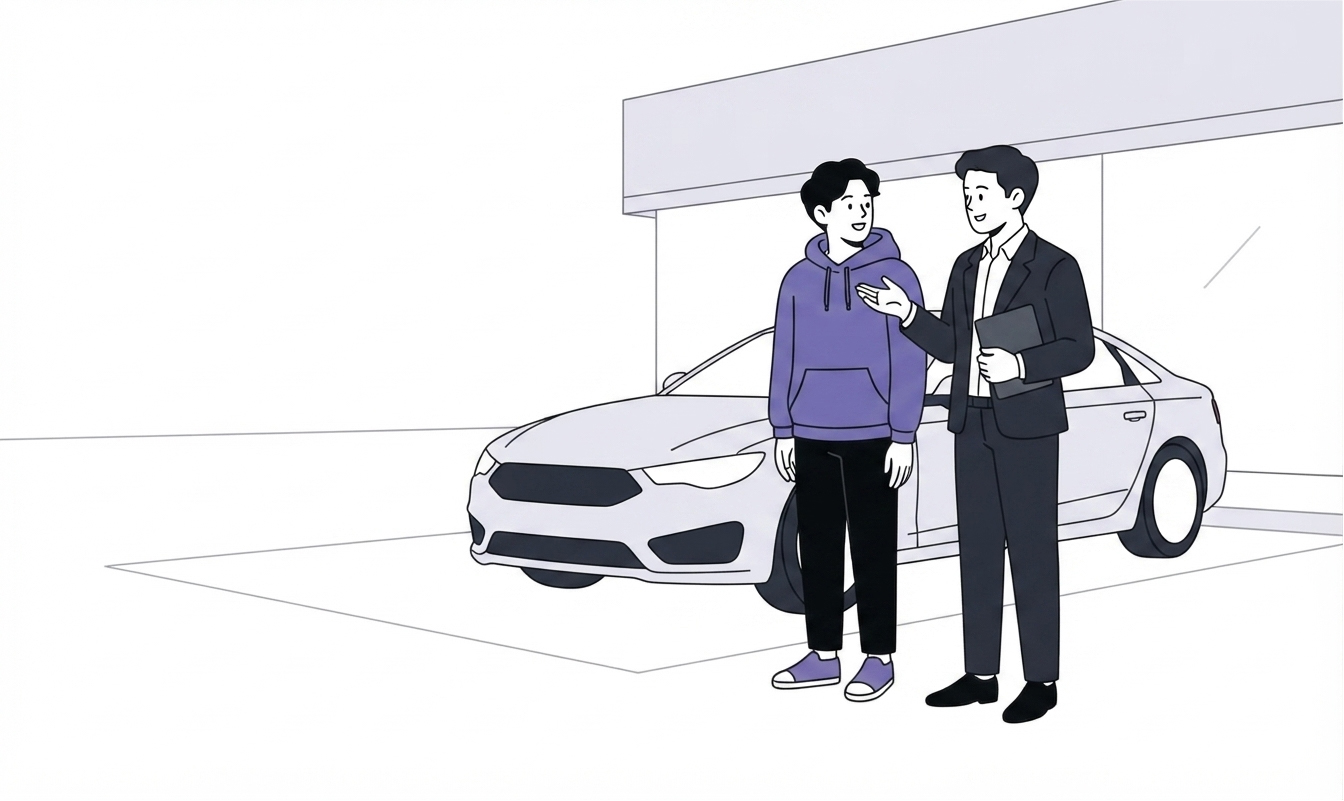
Just as there are many different types of shoppers that can be found on any given day at a dealership, there are just as many terms that dealers have coined to identify the customer types. We will explore all of them in this section, but for the first term to unpack, we will start with the most generalized and most popular, when describing the desire for customers to arrive on the lot ready to be sold: “The Up Bus”.
The up bus is a running joke among dealers about an imaginary bus that magically delivers customers onto the lot. On slow sales days, you might hear humorous comments like: “The up bus must’ve skipped us today.”
Let’s explore other terms used to describe specific types of shoppers:
Up
An up is any prospective customer who walks onto the dealership lot without a scheduled appointment.
Most dealerships use an up rotation, meaning salespeople take turns greeting walk-in shoppers. When someone says, “You’re up,” it means it’s your turn to assist the next customer.
Example:
“There’s a family pulling in. You’re up!”
Be-Back
A be-back is a customer who leaves saying they’ll return later.
It can mean: “We’re just going to look at one more dealership” or “We’ll think about it and come back.”
While some shoppers genuinely do return, “be-backs” have earned a reputation because many never come back after leaving.
Tire Kicker
A tire kicker is someone browsing vehicles with little or no intention of purchasing.
The term doesn’t necessarily mean someone is wasting time. Many shoppers are simply in the early research phase. Experienced salespeople try to determine whether someone is a serious buyer or simply gathering information.
Get-Me-Done
A get-me-done customer has challenged credit but is primarily focused on getting approved for financing.
Rather than shopping for the perfect vehicle, they’re often looking for:
- Any approval
- Affordable payments
- A reliable vehicle
Special finance departments frequently work with these customers.
Lay-Down
A lay-down is a customer who accepts the first offer with little or no negotiation.
Historically, salespeople used the term because the deal was “easy.”
Today, many dealerships avoid using it because it can sound dismissive toward customers. A smooth transaction simply means both parties reached an agreement quickly.
Grinder
A grinder negotiates every detail of the deal.
These customers often spend hours discussing:
- Vehicle price
- Trade value
- Financing
- Accessories
- Monthly payment
They’re determined to squeeze every possible dollar from the transaction.
Third Baseman
A third baseman is the friend or family member who joins the customer to help negotiate.
They may also be called:
- Second baseman
- The lawyer
- The negotiator
Their role is usually to ask tough questions or challenge pricing throughout the process.
One-Legger
A one-legger is someone shopping without another decision-maker.
Common examples include:
- A spouse shopping alone
- A parent shopping for the family
- Someone who says, “I need to talk to my husband/wife first.”
Salespeople know these deals often require a second visit once everyone involved has seen the numbers.
On the Floor: People & Places

Every dealership has its own rhythm, and much of it revolves around the people and places that keep the sales floor running. From green peas learning the ropes to seasoned closers stepping in to seal a deal, these terms describe the roles, workspaces, and unwritten rules that shape daily life inside a dealership.
Whether someone is heading to the tower, making a T.O., or warning a coworker not to skate a customer, this insider vocabulary reflects the teamwork, structure, and culture behind every sale. After reading through these definitions, read this car sales career path guide.
Green Pea
A green pea is a brand-new salesperson, and every successful sales professional started as a green pea.
Like any rookie, green peas are still learning:
- Product knowledge
- Sales process
- CRM systems
- Negotiation skills
If this is you, read this automotive CRM terms glossary.
Closer
A closer specializes in helping finalize difficult deals.
If a customer hesitates or negotiations stall, management may bring in the closer to answer final objections and keep the deal moving.
T.O. (Turnover)
A T.O., or turnover, happens when a salesperson hands the customer to a manager or another experienced salesperson.
Contrary to popular belief, a T.O. isn’t always a pressure tactic.
Managers may step in to:
- Answer pricing questions
- Discuss financing
- Handle objections
- Save a deal that’s losing momentum
The Tower (The Desk)
The tower or desk is where sales managers structure deals.
Years ago, many dealerships literally elevated the sales desk so managers could oversee the showroom—hence the name “tower.”
Today, it’s simply dealership shorthand for sales management.
Check out the dealership org chart to know who answers to who and why.
Desk Log / Up Log
The up log records every customer interaction during the day.
It tracks:
- Walk-ins
- Phone calls
- Internet leads
- Salesperson assignments
The log helps ensure customer opportunities are distributed fairly.
The Box
The box refers to the Finance & Insurance (F&I) office.
After agreeing on a vehicle purchase, customers visit “the box” to complete paperwork and review products like:
- Extended warranties
- GAP protection
- Maintenance plans
- Tire and wheel coverage
Bird Dog
A bird dog is someone who refers customers to the dealership in exchange for compensation.
The referral payment itself is also called a “bird dog fee.”
Policies vary by dealership and state, so referral programs differ widely.
Skate
To skate someone means taking another salesperson’s customer.
This is considered one of the biggest violations of showroom etiquette.
Dealerships typically have strict rules to determine customer ownership and prevent disputes.
The Deal
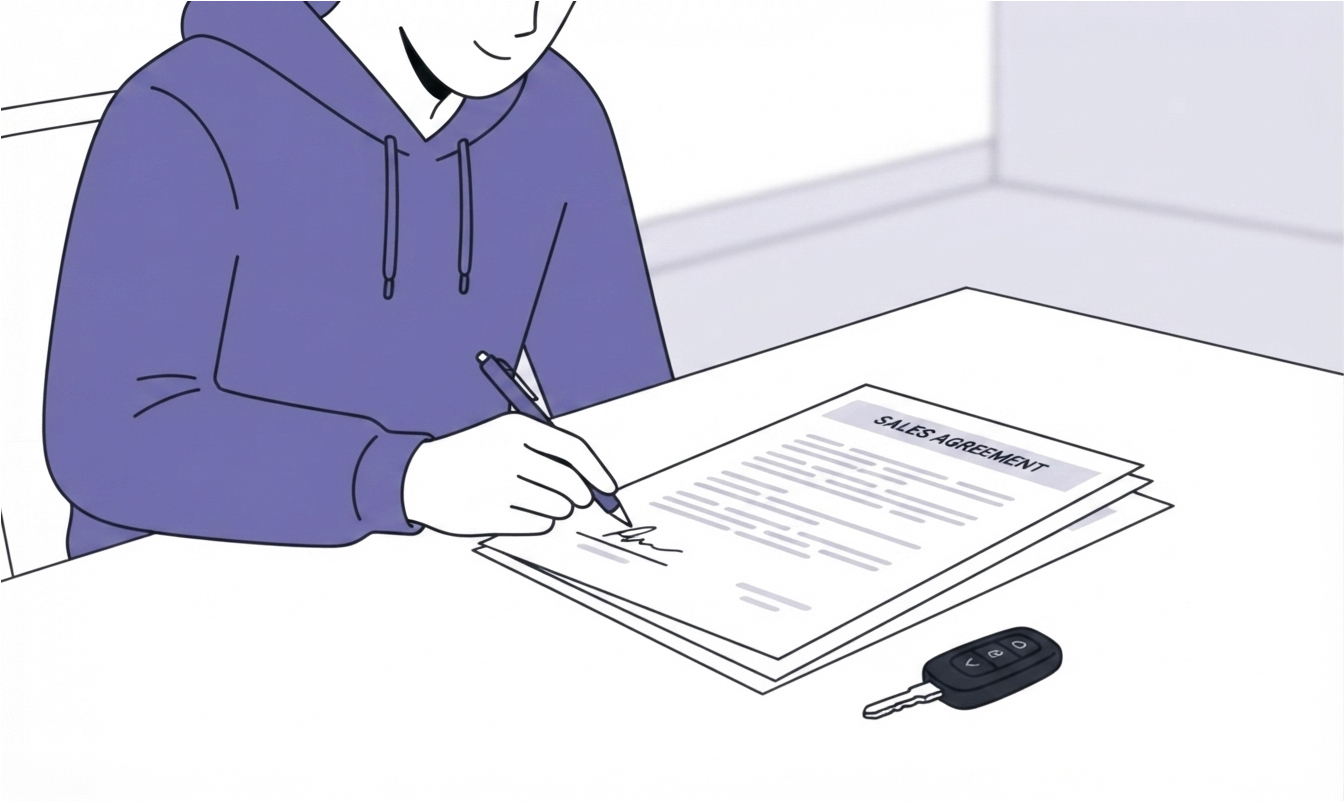
Once a customer says, “Let’s do it,” an entirely different language takes over. This is where you’ll hear salespeople and managers talk about minis, pounders, packs, home runs, and desking—terms that describe how a deal is structured, negotiated, and ultimately measured.
Some refer to profitability, others to commission, and a few date back decades but remain part of everyday dealership vocabulary. Understanding these terms offers a behind-the-scenes look at how dealerships evaluate transactions and why no two deals are exactly alike. You can get a leg-up now with these car salesman skills.
Bump
A bump means increasing one part of the deal.
It might involve asking the customer to:
- Increase their down payment
- Raise their monthly payment
- Increase their purchase offer
You may also hear the term bounce used interchangeably.
Mini
A mini is a minimum-commission sale.
These deals usually generate very little front-end profit, so the salesperson receives only the dealership’s minimum commission.
Selling lots of minis can be frustrating, but they’re still valuable because every sold vehicle contributes to dealership volume.
Pounder
A pounder represents $1,000 in gross profit.
Examples:
- Two-pounder = $2,000 gross
- Five-pounder = $5,000 gross
Managers often use the term when discussing deal profitability.
Front End vs. Back End
The front end is the profit earned from selling the vehicle itself.
The back end comes from products sold in F&I, including:
- Financing reserve
- Vehicle protection plans
- Service contracts
- GAP coverage
A dealership may earn more on the back end than the front end on some transactions.
Spiff
A spiff is a bonus paid for selling a particular vehicle or product.
Examples include:
- Selling an aging vehicle
- Selling a manufacturer’s promotional model
- Selling a warranty package
Spiffs provide extra motivation beyond regular commission.
Hat Trick
Selling three vehicles in one day is known as a hat trick.
For many salespeople, it’s a milestone worth celebrating.
Pack
A pack is a fixed amount deducted from a vehicle’s gross profit before commissions are calculated.
Packs help dealerships cover operational costs like:
- Reconditioning
- Advertising
- Inventory expenses
Salespeople generally earn commission only after the pack is removed.
Holdback
Holdback is money manufacturers return to dealerships after a vehicle is sold.
It’s built into the invoice and helps offset inventory carrying costs.
Customers rarely see holdback directly, and it’s separate from most negotiated pricing.
Home Run
A home run is a highly profitable transaction where nearly every aspect of the deal works in the dealership’s favor.
Typically, this includes:
- Strong vehicle gross
- Good trade profit
- Profitable financing
- Additional F&I products
House Deal
A house deal is credited to the dealership instead of an individual salesperson.
These situations commonly occur when:
- The customer wasn’t assisted by one salesperson
- Management handled the transaction
- The salesperson has left the dealership
Commission policies vary by store.
Split Deal
A split deal occurs when two salespeople share one sale and split the commission.
This often happens when:
- One salesperson greets the customer.
- Another finishes the transaction.
Four-Square
The four-square is the classic negotiation worksheet divided into four boxes:
- Vehicle price
- Trade value
- Down payment
- Monthly payment
Although many dealerships now use digital desking software, the four-square remains an iconic part of dealership culture.
Desking
Desking is the process of building the financial structure of a deal.
Sales managers determine:
- Pricing
- Payments
- Financing options
- Trade values
Modern dealerships often use sophisticated desking software rather than handwritten worksheets.
Switch (Flip)
A switch or flip happens when a customer moves from one vehicle to another.
Sometimes it’s because:
- Financing requires a less expensive vehicle.
- Another model better fits their budget.
- Inventory availability changes.
The goal is matching customers with a vehicle they can successfully purchase.
Holding
Holding traditionally refers to withholding part of a trade value or deal information during negotiations.
Modern dealerships increasingly emphasize transparency, making this practice far less common than it once was.
We-Owe
A we-owe documents items promised after delivery.
Common examples include:
- Second key
- Floor mats
- Accessories
- Paint protection
- Scheduled repairs
The form protects both the dealership and the customer by documenting outstanding commitments.
Take a Bath
To take a bath means losing money on a deal.
Sometimes dealerships knowingly accept a loss to:
- Move aging inventory
- Meet monthly sales goals
- Retain a loyal customer
Unwind
An unwind reverses a completed vehicle sale.
- Reasons may include:
- Financing falls through
- Documentation errors
- Customer eligibility changes
Because unwinds create extra work for everyone involved, dealerships work hard to avoid them.
F&I & the Money
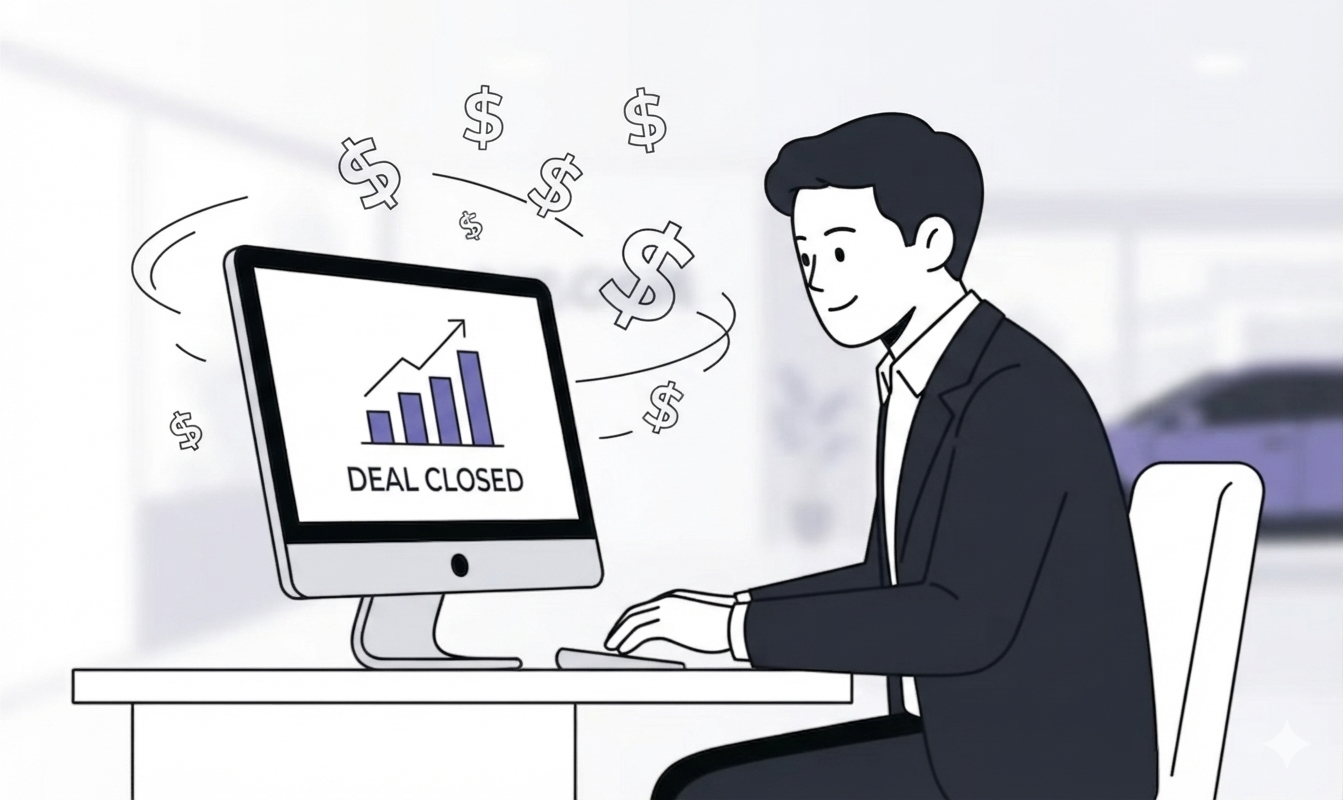
Once the vehicle price is agreed upon, the transaction moves into the Finance & Insurance (F&I) office, where financing, paperwork, and protection products are finalized. It’s also where you’ll hear terms like buy rate, reserve, spot delivery, and upside down.
While some of this terminology relates to how loans are structured, other terms describe common financing scenarios that can affect both the dealership and the customer. Understanding this vocabulary can help demystify one of the most important and often misunderstood parts of the car-buying process.
Buy Rate
The buy rate is the interest rate offered to the dealership by the lender before any dealer markup.
Reserve (Rate Markup)
Reserve is the profit earned when financing is marked above the lender’s buy rate, where permitted by law and lender agreements.
Spot Delivery
A spot delivery allows customers to drive home before financing is fully finalized.
Most spot deliveries proceed normally, but final lender approval is still pending.
Yo-Yo
A yo-yo occurs when a customer who took a spot delivery is called back because financing changed.
Historically, the term carried negative associations. Today, reputable dealerships work to minimize these situations through stronger lender verification before delivery.
Flat
A flat is a fixed payment from a lender to the dealership when no interest rate markup is used.
Upside Down
Being upside down means owing more on a vehicle loan than the vehicle is currently worth.
Negative equity often affects trade-in decisions and financing options.
The Lot & Inventory

A dealership’s inventory is constantly changing, and with it comes another set of industry-specific terms. From aging inventory and floor plans to demos and candy stores, this vocabulary reflects the realities of managing hundreds of vehicles while balancing demand, financing costs, and profitability.
Whether describing a vehicle that’s been sitting too long or a lot packed with desirable inventory, these terms offer a glimpse into the operational side of running a successful dealership.
Stale Unit / Aging Inventory
These vehicles have remained on the lot longer than expected.
As vehicles age, dealerships incur additional carrying costs, making these units a priority to sell.
Floorplan
A floorplan is the line of credit dealerships use to finance inventory until vehicles are sold.
Interest costs increase the longer vehicles remain unsold.
Sled (Toad)
A sled or toad is slang for an older, low-value trade-in that requires significant reconditioning.
Addendum Sticker
The addendum sticker accompanies the factory window sticker and lists:
- Dealer-installed accessories
- Protection packages
- Market adjustments
- Additional pricing information
Demo
A demo is a dealership-owned vehicle driven by employees before being sold.
Because demos typically have low mileage, they often sell at a discount compared to brand-new inventory.
Candy Store
A candy store is a dealership with an exceptional inventory selection.
Customers—and salespeople—love candy stores because they offer abundant choices and desirable vehicles.
Frequently Asked Questions:
What does "up" mean at a car dealership?
An up is a walk-in customer who arrives without an appointment. Most dealerships assign ups using a rotating system, so sales opportunities are distributed fairly among salespeople.
What is a mini in car sales?
A mini is a minimum-commission sale. It usually occurs when little or no front-end profit exists, so the salesperson receives the dealership’s minimum commission.
What is a spiff at a dealership?
A spiff is a cash bonus paid by the dealership or manufacturer for selling a specific vehicle, product, or meeting a promotional goal.
What does T.O. mean in car sales?
T.O. stands for turnover, when a salesperson introduces a manager or another experienced salesperson to help move a deal forward or answer customer questions.
What is a be-back?
A be-back is a shopper who leaves the dealership intending—or at least saying they intend—to return later. While some do come back, many continue shopping elsewhere before deciding.
What is a house deal?
A house deal is a vehicle sale credited to the dealership instead of an individual salesperson, often resulting in reduced or no salesperson commission depending on dealership policy.
Every industry develops its own shorthand, and automotive retail is no exception. While some of these expressions date back decades, many are still heard daily in dealerships across the country. Understanding dealership slang can make the buying process feel less mysterious as a customer, and if you’re new to the business, learning the language is one of the first steps toward feeling at home on the showroom floor.
Whether someone mentions an up, a mini, a spiff, or a T.O., you’ll now know exactly what they’re talking about.
Now that car-dealership slang is less confusing, discover the all-in-one automotive CRM software platform that makes the car sales process clear and easy. Cause there’s only so many hoops you should have to jump through when selling cars.