
7 Sales Rep Mistakes Killing Your Dealership’s Conversion Rate
Running a dealership comes with plenty of challenges. Rising inventory costs, payment-sensitive buyers, and strong competition all play a role. Yet one of the most overlooked factors in lost deals isn’t the market; it’s what happens in everyday interactions in the lot and on the showroom floor.
Sales reps are the face of your dealership. They guide prospects from the moment they walk in (or submit a lead) to the point of purchase. And while many reps are highly skilled, small mistakes can still destroy conversion rates. The good news? With awareness and coaching, these pitfalls are avoidable.
Here are seven dealership sales mistakes that might be killing your dealership’s conversion rate, and why fixing sales inefficiencies at your dealership can help close more deals.
1. Failing to Build Trust Early
Trust is the foundation of any sale. Yet too often, reps rush into features, payment structures, and test drives before establishing credibility. Today’s car buyers do their homework. They know pricing, specs, and financing options before stepping onto the lot. What they want is reassurance that they’re dealing with someone who understands their needs, and not just someone chasing a commission.
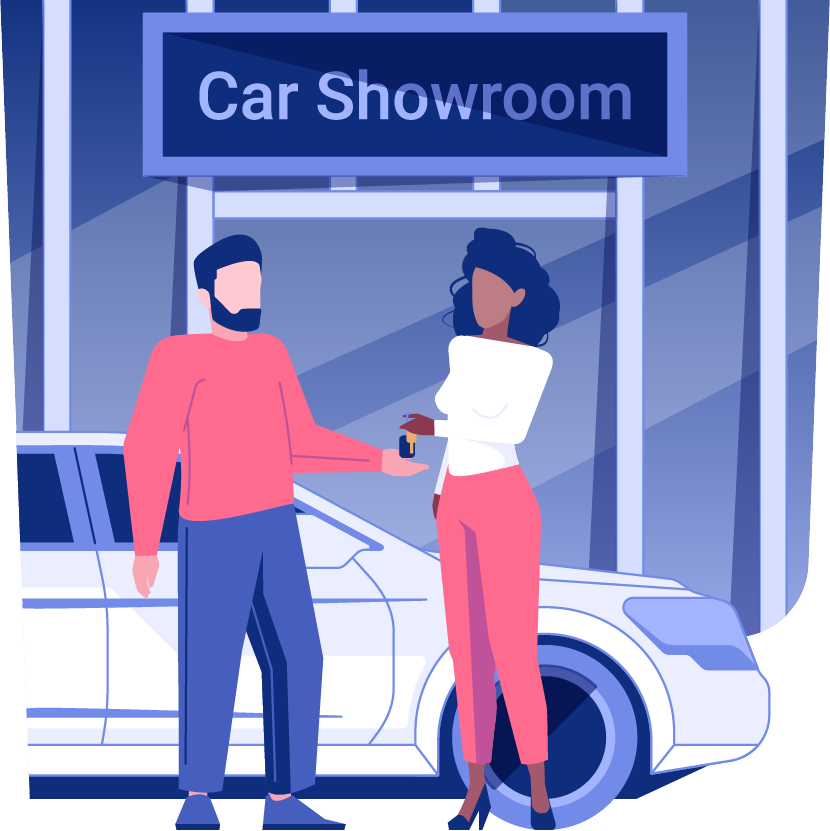
The Fix: Train your team to start with empathy and connection. Instead of opening with, “What brings you in today?” or “Are you ready to buy?”, coach them to ask value-driven questions like:
- “What do you like most about your current vehicle?”
- “What’s the most important thing this next car needs to do for you?”
This positions the rep as a consultant, not just a salesperson. Finding out the “why behind the buy” while building trust and rapport in the first five minutes sets the tone for everything that follows.
2. Talking More Than Listening
By overselling instead of asking questions, reps rush to “sell a car” before they understand the customer’s actual need, which often turns buyers off. Many reps believe selling is about having the perfect pitch. It’s about listening closely and strategizing based on what the customer is telling you.
The Fix: Teach the 70/30 rule: your rep should listen 70% of the time and speak 30%. Encourage them to take notes, repeat back what they’ve heard, and confirm understanding. This approach not only makes the buyer feel valued but also provides the rep with all the necessary information to tailor solutions effectively.
A sales rep who dominates the conversation risks missing critical buying signals, objections, or emotional triggers that could move the deal forward. Listening is a skill that not everyone has mastered, but it is easy to get better at.
3. Mismanaging Digital Leads
Walk-ins aren’t the only customers that matter. In fact, most car buyers start online. Yet many sales reps neglect digital leads, responding late, or worse, not at all. The Internet leads expect instant replies, but many dealerships still wait hours or even days. A slow response can destroy a conversion before it begins.
On top of this, reps are still sending generic emails or calls without referencing the customer’s service history, vehicle, or previous interactions. Without personalization, customers will feel like just another number and not take the communication seriously.
The Fix: Establish a clear process for handling internet leads. Industry benchmarks show that responding within the first 10 minutes dramatically improves conversion rates. Implement automated alerts, hold reps accountable for response times, and train them on how to craft personalized responses that feel genuine, not canned.

4. Overlooking Payment Sensitivity
Today’s buyers are more payment-conscious than ever. Sticker shock, high interest rates, and economic pressures mean shoppers often come in with a strict budget. Sales reps who ignore these concerns or push vehicles that are out of the budget create frustration and mistrust.
The Fix: Train reps to discuss payment expectations early and transparently. Instead of leading with MSRP, guide them to talk about affordability:
- “What monthly payment range feels comfortable for you?”
- “Would you prefer exploring a purchase or a lease option?”
Equip reps with technology that can find viable options that fit their budget, such as data mining tools and real-time payment calculators. Demonstrating that you have the resources to help them out reduces hesitation and builds buyer confidence.
5. Poor Follow-Up Habits
The average customer visits fewer than two dealerships before purchasing. That means if you don’t follow up, you’re likely losing them to the competitor down the street. Yet many reps either don’t follow up consistently or give up too quickly after one or two attempts.

The Fix: Adopt a CRM with a structured follow-up process and hold reps accountable for executing it, like AutoAlert CXM. Best practices include:
- Multi-channel communication: Use calls, emails, texts, video, and social media
- Consistent data input: Logging notes and updating the CRM after each interaction significantly reduces misaligned messaging, and duplicated work
- Personalization: Reference the customer’s specific interests, the car they test drove, inventory updates, price changes, etc.
- Persistence: Studies show it can take 5–7 follow-ups before a buyer re-engages.
A rep who consistently follows up with value-driven touchpoints will stand out from competitors who let the lead go cold.
6. Passing Up Opportunities in Plain Sight
Many reps overlook some of the best sales opportunities. Skipping key conversations or failing to think beyond the obvious can stall deals and cost your dealership conversions. A quality CRM can help alleviate common areas in which lucrative deals are missed, like the following:
- Skipping Trade-In Conversations Early: Many reps forget to ask about the customer’s current vehicle at the start of the process. That oversight misses valuable equity mining opportunities that could make upgrading easier for the buyer.
- Ignoring Service-to-Sales Opportunities: Customers waiting for repairs or maintenance often have equity in their vehicles and may be considering an upgrade. Yet most reps don’t know who’s in service, or how to act on that information.
- Using Limited Inventory as a Crutch: By failing to utilize data mining solutions that alert your sales team to incoming units, off-brand vehicles, or dealer trades, reps lack the opportunity to be creative when they don’t have exactly what your customers think they want.
The Fix: Coach your team to actively look for opportunities beyond the obvious. By improving CRM usage for better sales, you can make it effortless to connect with customers about their current vehicle, partner with your service team to identify potential buyers, and think beyond the lot.
When reps start seeing hidden opportunities, they not only close more deals but also build stronger customer relationships and loyalty.
7. Not Asking for the Sale
You’d be surprised how many sales reps fail to close simply because they never ask for the sale. Fear of rejection, lack of confidence, or waiting for the “perfect moment” often leads to missed opportunities. Customers who leave without a clear next step are less likely to return.
The Fix: Train reps to recognize buying signals, like asking detailed financing questions or showing strong enthusiasm for a test drive, and to confidently guide the customer toward the close. That doesn’t always mean pushing for a signature immediately; it might mean:

- Asking, “Would you like to see what payments would look like on this car?”
- Offering, “Let’s run the numbers so you can make an informed decision.”
Closing should feel like a natural continuation of the conversation, not a hard push.
Conversion rates aren’t just about market conditions, vehicle affordability, or inventory—it’s about people. At the end of the day, every lead represents more than just a potential sale; it’s an opportunity to build a long-term relationship. Sales reps who build trust, listen carefully, respond quickly, and guide customers with confidence will consistently outperform those who do not take these important tactics seriously.
By identifying and addressing these seven common dealership sales mistakes, you can transform your dealership’s sales process, boost conversions, and create a customer experience that keeps people coming back for their next car.
Don’t let your dealership continue to make one or more of these mistakes. Ensure you identify all potential sales conversions available to you, leveraging the possibilities offered by AutoAlert CXM.
Continue your tech education with this next article about future tech trends every dealership should watch.